
 Thailand

What is a Dust Collector
A dust collector is a system used in industries to remove airborne dust/particulates from air — improving air quality, protecting workers’ health, preventing contamination, and safeguarding equipment. Typical industries using dust collectors include food processing (e.g. flour, sugar), chemicals, plastics, cement, mining, pharmaceuticals, wood‑working — any process generating fine dust or powder.
How It Works — Basic Principle & Process Flow
Most dust collectors follow a similar workflow:
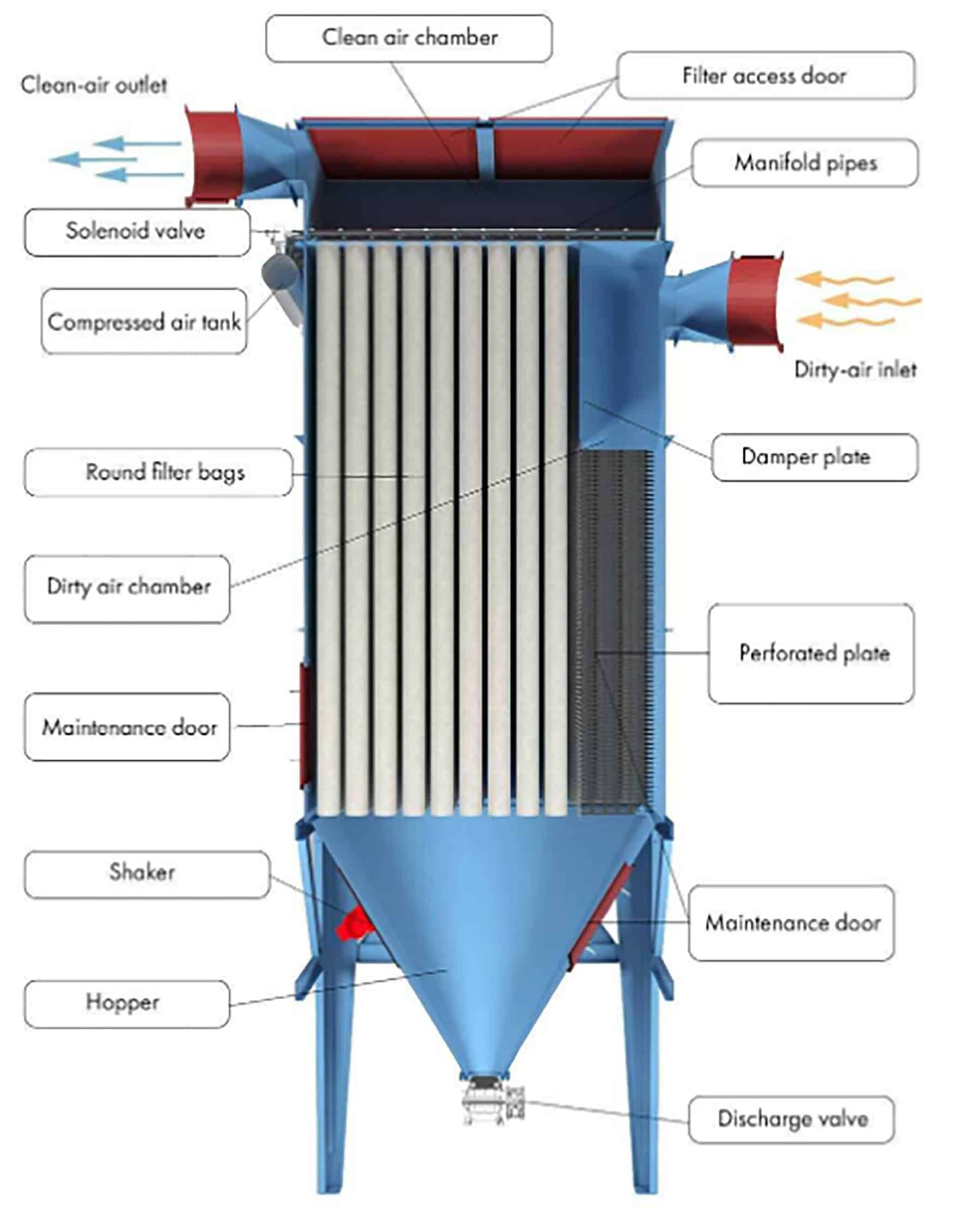
1. Air Intake / Capture
- Dust-laden air is drawn from the dust‑producing source via hoods, ducts or piping.
- A fan or blower generates suction to pull contaminated air toward the collector.
2. Filtration / Separation
- Once inside the collector, the air passes through a filter medium (e.g. fabric bags or cartridges) or through a separation mechanism (like a cyclone).
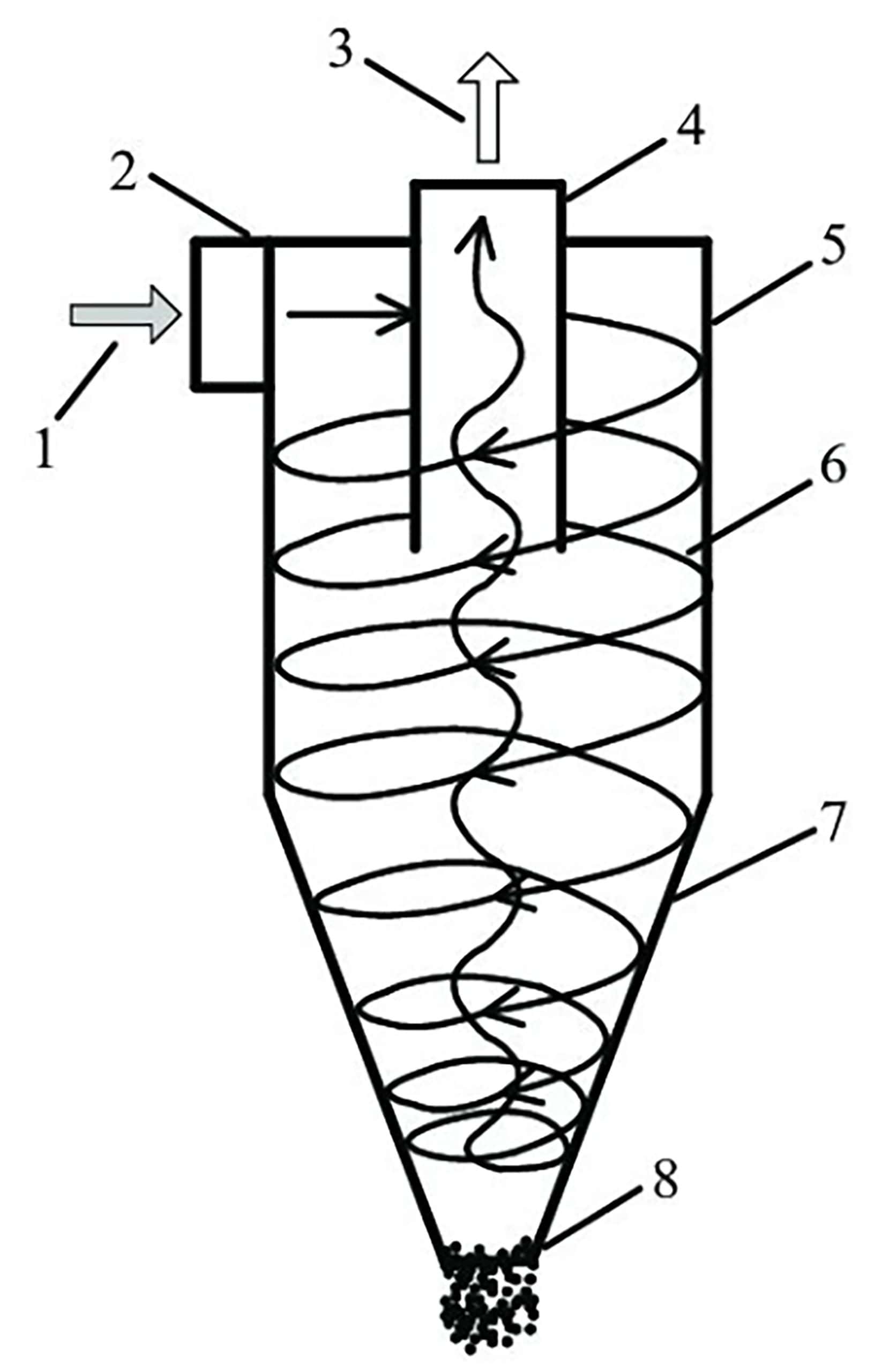
- Dust particles are trapped by the filter (or forced by centrifugal force to the outer wall in a cyclone) while clean air passes through.
3. Dust Collection
- The captured dust settles (e.g. falls into a hopper or bin) for disposal or recycling.
- Meanwhile, the clean air is exhausted — either recirculated back into the workspace or vented outside.
4. Filter Cleaning / Maintenance
- Over time, dust builds up on filter surfaces; to restore efficiency, systems often include automatic cleaning methods — e.g. pulse‑jet compressed‑air bursts, shaking, or reverse‑air cleaning.
- Proper maintenance (cleaning or replacing filters, emptying dust bins, checking airflow) is essential to maintain performance.
Common Types of Dust Collector Systems
Depending on needs (dust type, volume, particle size) and industry, different dust‑collection technologies are used:
- Baghouse (Bag‑filter) Dust Collector: Uses fabric filter bags to trap dust. Efficient for fine dust and powder.
- Cartridge Dust Collector: Uses pleated filter cartridges — compact but high surface area; good for finer powders or when footprint matters.
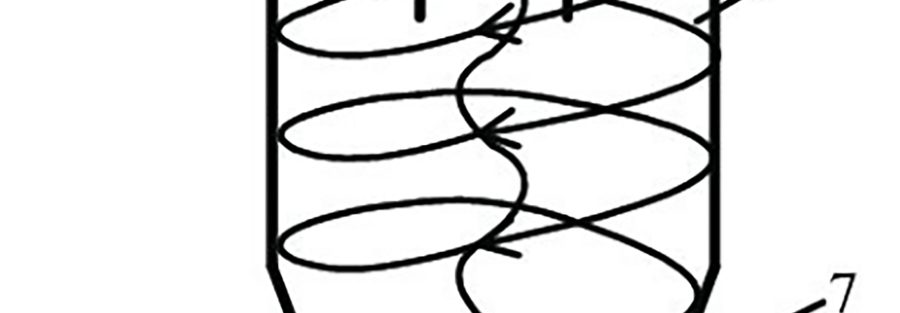
- Cyclone Dust Collector: Uses centrifugal force — air spins and heavier particles are thrown to walls and drop out; no filter media needed (but less effective for very fine particle). Good for larger, heavier dusts.
- Other / Specialized Systems: For certain industries, other filtration technologies (wet scrubbers, electrostatic precipitators, etc.) may be used depending on dust/gas type.
Why Dust Collectors Matter (Benefits)
- Keeps air clean and safe for workers — reduces health risks from inhaling dust.
- Prevents dust contamination in sensitive processes (food, pharmaceuticals, chemicals).
- Protects machinery and prolongs equipment lifespan by avoiding dust-related wear.
- Helps comply with environmental and occupational safety regulations.